
Things to Know Before Visiting Georgia in 2026: The Complete First-Timer Guide Georgia travel tips 2026, visit Georgia 2026, Georgia travel insurance requirement 2026, Georgia itinerary, Tbilisi tips, Georgia safety, Georgia SIM card, Georgia transport, marshrutka Georgia, driving in Georgia, Georgia etiquette, Georgia drone rules things to know before visiting Georgia in 2026
Things to Know Before Visiting Georgia in 2026: The Complete First-Timer Guide
Last updated: January 2026
Georgia (the country) is one of those places that feels instantly addictive: bold food, dramatic mountain landscapes, ancient monasteries, and a capital city that’s equal parts chaotic and charming. But Georgia is also a country where a little preparation saves you a lot of friction—especially in 2026, with new entry requirements and shifting travel realities. things to know before visiting Georgia in 2026

This guide is designed for first-time visitors and focuses on what actually matters: entry rules, insurance, money, transport, safety, cultural etiquette, and practical day-to-day tips—written in a “do this, avoid that” format.
Quick answers (read this first)
Travel insurance is mandatory for tourists entering Georgia from January 1, 2026 and must meet minimum coverage rules.
Georgia is not as “ultra-cheap” as older blogs claim—still good value, but budget expectations should be realistic.
In cities, card payments are common; outside cities, cash still matters.
For taxis and airport rides, use apps (e.g., Bolt) instead of bargaining on the street.
For data coverage (especially outside cities), a local SIM/eSIM is usually more reliable than a global travel eSIM. Magti publishes tourist SIM info and packages on its site.
1) What changed in 2026 (the big updates)
Travel insurance is now a legal entry requirement (most important change)
From January 1, 2026, tourists entering Georgia are required to have valid health & accident insurance for the full duration of the stay, with minimum coverage of 30,000 GEL. The policy can be issued by a Georgian or foreign insurer.
The Georgian consular portal outlines what information the policy must include (parties, territory, coverage dates, insured risks, coverage limits, etc.).
What to do (simple):
Keep your policy in English or Georgian (PDF is fine; paper backup is smart).
Make sure coverage dates include arrival + departure day.
If you plan hiking/skiing, confirm adventure sports coverage (this is where many policies fail).
Pro tip: Some airlines may ask for proof at check-in; border officials may also check.
Disclaimer: Entry rules can change quickly. Always verify before flying using the official Georgian consular portal.
2) Entry, visas, and documents (don’t wing this)
Check visa rules using official sources
Georgia has different visa-free and visa-required regimes depending on nationality, residency status, and travel history. For the most accurate requirements, use the official Georgian consular portal.
Bring (minimum):
Passport with sufficient validity
Proof of onward/return plan (sometimes requested)
Accommodation details (a booking confirmation helps)
Mandatory insurance policy (see above)
Don’t overstay
Georgia is stricter about compliance than many travelers expect. Even “small” overstays can cause headaches later (fines, future entry issues). Treat your allowed stay as non-negotiable and keep a calendar reminder.

3) Budget reality check: what Georgia costs in 2026
Georgia remains good value compared to many European destinations—but 2026 visitors should not expect “backpacker paradise prices” across the board, especially in Tbilisi, Batumi, and popular mountain regions.
A practical daily budget (per person)
Use this as a planning baseline (not a promise):
Budget: $30–50/day (hostels/guesthouses, local food, public transport)
Mid-range: $60–100/day (comfortable hotels, frequent taxis, paid attractions)
Higher-end: $120+/day (boutique hotels, private drivers/tours, upscale dining)
Cash vs card
In Tbilisi and big cities, card payments are common.
In smaller towns, guesthouses, drivers, and markets may prefer cash (GEL).
ATM tip: Withdraw GEL from reputable bank ATMs when possible. Avoid currency exchange booths with unclear fees.
4) Best time to visit Georgia (and how to choose your season)
Georgia’s climates vary a lot by region and altitude, so the “best time” depends on your goal:
Spring (Apr–Jun): green landscapes, mild weather, fewer crowds (great for city + day trips)
Summer (Jul–Aug): best for mountain regions, but cities can be hot and more crowded
Autumn (Sep–Oct): ideal mix of weather and atmosphere; wine harvest season in Kakheti
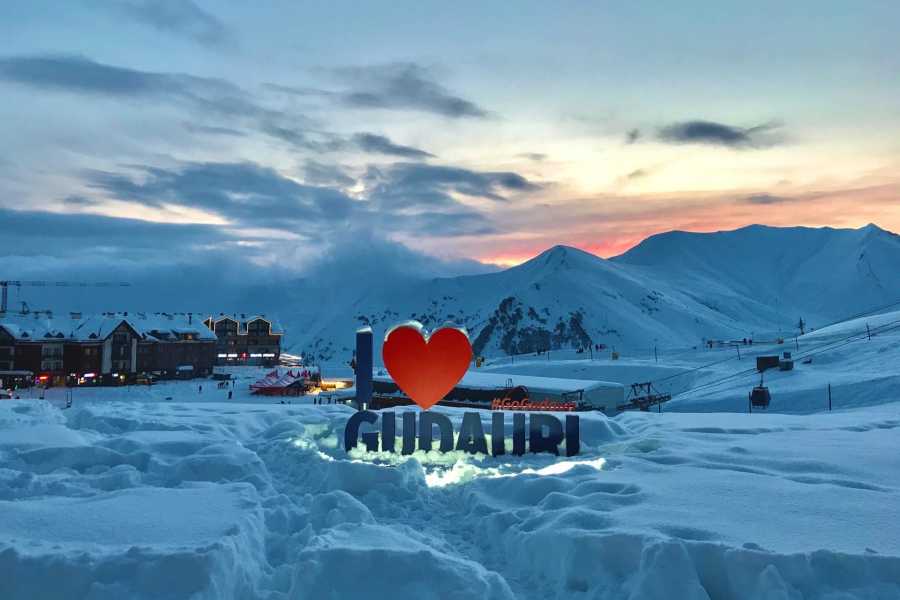
Winter (Dec–Mar): skiing (Gudauri, Bakuriani, Svaneti) + cozy city vibes; mountain access can be weather-dependent
Rule of thumb: If your trip is mountain-focused, prioritize late spring to early autumn unless you’re going for snow sports.
5) Transport in Georgia: what’s easy, what’s not
Georgia can be straightforward to travel—if you accept that the system isn’t always “one app / one timetable / one ticket” the way it is in some countries. Batumi Airport Transfer
Getting around cities
Walking is great in central Tbilisi, but watch for uneven sidewalks.
Public transport exists (metro/buses), but tourists often mix it with taxis for convenience.
Taxis: use an app (especially at the airport)
Airport arrivals are where visitors most commonly get overcharged.
A safer approach is to use a taxi app—Bolt operates in Tbilisi (and other cities) and provides transparent pricing inside the app.
Best practice:
Don’t negotiate with drivers who approach you in terminals.
Use an app pickup point if available, or take the airport bus/public transport when practical.
Intercity travel options (choose by comfort vs cost)
You’ll commonly see:
Minibuses (marshrutkas): frequent and cheap; comfort varies
Trains: limited routes but can be comfortable where available
Shared/private transfers: best for groups or remote regions
Car rental: freedom, but driving style is not for everyone
Expectation setting: For remote mountain regions, schedules can be loose and weather can disrupt plans. Build buffer days into your itinerary.
6) Roads, driving, and car rental: the “should you drive?” checklist
Self-driving can be amazing in Georgia—mountain roads, viewpoints, remote villages—but it’s not the right choice for every traveler.
Drive if:
You’re confident on mountain roads
You want stops in remote areas
You’re traveling as a group (cost-effective)
Avoid driving if:
You dislike aggressive driving styles
You want to relax and enjoy wine regions (Kakheti)
You’re visiting in winter and don’t have snow driving experience
Safety mindset: If you drive, avoid night driving in unfamiliar mountain areas, keep fuel topped up, and download offline maps.
things to know before visiting Georgia in 2026
7) Safety in Georgia (common concerns + smart precautions)
Georgia is generally considered a safe destination for tourists, but “safe” doesn’t mean “risk-free.” Batumi Airport Transfer
The most common visitor issues
Overpaying for taxis or tourist services (avoid with apps/clear pricing)
Petty theft in crowded areas (rare, but possible)
Road safety (biggest real risk for many visitors)
Protests in central areas (usually easy to avoid by rerouting)
Practical safety rules:
Don’t flash valuables in crowded spots
Keep your passport secure; carry a photocopy when possible
Avoid large gatherings and follow official local guidance if demonstrations occur
8) SIM cards and staying connected (what works best)
A reliable data connection in Georgia isn’t a luxury—it’s how you:
book rides,
navigate,
translate,
contact guesthouses,
and handle last-minute changes.
Local SIM/eSIM is usually the best value
Magti is one of the major operators and publishes tourist SIM information and mobile packages (including weekly unlimited options) directly on its website.
Best practice:
If you need the best coverage outside cities, prioritize a local SIM/eSIM rather than a generic travel eSIM.
Keep your passport handy for registration (standard in many countries).
9) Money, tipping, and everyday payments
Currency
Georgia uses the Georgian lari (GEL).
Tipping (what’s normal)
Tipping culture varies by place and service level. In tourist-facing restaurants, tips may be expected more than in local eateries.
A safe approach:
Tip when service is genuinely good (don’t feel pressured)
Keep small cash notes for tips and small purchases
Card payments
In cities, contactless payments are widely used. In rural areas, assume you’ll need cash.
10) Culture, etiquette, and social norms (small things that matter)
Georgia’s reputation for hospitality is real—but it may not show up as constant smiling or chatty service.
Basic etiquette that works everywhere
Be polite and direct
Use a calm tone (loud frustration escalates situations quickly)
Dress respectfully in religious sites (cover shoulders/knees; women may want a scarf just in case)
Dining norms
If you’re invited to a traditional meal (supra), pace yourself:
Food and toasts can be frequent
You’re not expected to drink excessively, but it helps to be polite and participate in the ritual
11) Photography, drones, and permissions
Georgia is extremely photogenic—but be mindful:
Don’t photograph people in close-up without permission (especially older locals)
In religious sites, respect posted rules
For drones, rules and enforcement can vary by location; check current guidance and respect restricted areas
12) Packing for Georgia (the minimalist checklist)
What you pack depends on season and region, but these items consistently help:
Essentials
Travel insurance documents (digital + backup)
Power bank + charging cable
Comfortable walking shoes (Tbilisi = hills + uneven pavement)
Lightweight rain jacket
Layers (mountains change quickly)
Small daypack
Offline maps downloaded
Winter / mountain add-ons
Warm base layers
Proper waterproof boots
Gloves/hat
Sunglasses (snow glare is real)
13) A simple “first-time in Georgia” itinerary framework
If you’re overwhelmed by options, use this proven first-timer structure:
7 days (balanced)
Tbilisi (3 days): old town + neighborhoods + day trip
Kazbegi / Georgian Military Highway (2 days): mountains, viewpoints, hikes
Kakheti or Kutaisi (2 days): wine region OR caves/canyons/west
10–14 days (best overall)
Add:
Svaneti (Mestia/Ushguli) OR
Adjara (Batumi + mountains) OR
Samtskhe-Javakheti (Vardzia + Borjomi area)
Key planning idea: Don’t try to “do everything.” Georgia rewards slower travel—especially once you get into mountain regions.
FAQ (SEO-friendly)
Is travel insurance mandatory to enter Georgia in 2026?
Yes. From January 1, 2026, tourists entering Georgia must have valid health and accident insurance with minimum coverage of 30,000 GEL, valid for the entire stay. Booking Kutaisi Airport Transfers
What documents should I carry to enter Georgia?
At minimum: passport, travel insurance proof, and trip details (accommodation/onward plan). Always confirm specifics via the official consular portal.
Is Georgia expensive in 2026?
Compared with many European destinations, it’s still good value—but prices in major cities and tourist hubs have increased. Plan a realistic daily budget and expect higher costs in peak season.
Is Georgia safe for tourists?
Many travelers find Georgia safe, especially in main tourist areas. Use standard precautions, stay aware of road safety, and avoid large gatherings if protests occur.
Should I rent a car in Georgia?
Renting a car is great for flexibility, but mountain roads and driving styles can be challenging. If you want comfort and less stress, use transfers or drivers.
How do I get around Tbilisi without being overcharged?
Use ride-hailing apps where possible. Bolt operates in Tbilisi and shows the fare inside the app.
Should I buy a local SIM card in Georgia?
For reliable coverage and value—especially outside cities—local SIM/eSIM options are often best. Magti provides tourist SIM information and packages on its site.
What’s the best season to visit Georgia?
Spring and autumn are ideal for comfortable weather and fewer extremes. Summer is best for mountains; winter is best for skiing and snowy scenery. Batumi Airport Transfer
Sources (for critical 2026 rules)
Georgian Consular Portal: mandatory tourist insurance details
U.S. Embassy Tbilisi notice on 2026 insurance requirement
Embassy notice referencing the 2026 requirement
Bolt (Tbilisi service page)
Magti official pages (tourist SIM info + weekly unlimited package)
- things to know before visiting Georgia in 2026
Things to know before visiting Georgia in 2026: mandatory travel insurance rules, entry basics, budgets, transport tips, SIM cards, safety, and local etiquette—updated for first-timers.
Things to know before visiting Georgia in 2026: what’s changed, what to pack, how to get around Tbilisi and beyond, how much to budget, and the small cultural tips that make your trip smoother.
Things to know before visiting Georgia in 2026: visas and documents, insurance requirements, seasonal planning, taxi and transit advice, money matters, and common mistakes to avoid.
Things to know before visiting Georgia in 2026: a practical checklist for first-time travelers covering arrival, connectivity, accommodation areas, mountain travel logistics, and safety essentials.
Things to know before visiting Georgia in 2026: the complete pre-trip guide with updated rules, realistic costs, transport options, and on-the-ground tips for Tbilisi, Kazbegi, Batumi, and more.
Things to know before visiting Georgia in 2026: the updated essentials on travel insurance, border requirements, currency and payments, getting around, and staying connected with a local SIM/eSIM.
Things to know before visiting Georgia in 2026: a step-by-step pre-trip guide covering when to go, what to book in advance, how to avoid taxi overcharges, and how to plan a realistic daily budget.
Things to know before visiting Georgia in 2026: first-timer tips on Tbilisi neighborhoods, public transport, intercity travel (trains and marshrutkas), and what to expect in rural areas.
Things to know before visiting Georgia in 2026: what travelers usually get wrong—insurance paperwork, mountain weather, driving conditions, cash needs, and cultural etiquette in churches and guesthouses.
Things to know before visiting Georgia in 2026: a no-fluff checklist for smooth arrivals, smart planning, safer travel, and the best practical choices for itineraries, tours, and day trips.